

lighted bathroom vanity mirror
Butterfly Valve Manufacturers in China An Overview Butterfly valves have become one of the most widely used types of valves in various industries, owing to their simple design, lightweight nature, and efficient performance. Particularly in China, the manufacturing of butterfly valves has gained significant momentum, making the country a leading figure in the global valve industry. This article will provide an overview of butterfly valve manufacturers in China, their production capabilities, quality standards, and the various applications of these essential components. Understanding Butterfly Valves Butterfly valves consist of a circular disc or vane that rotates around a central axis to control the flow of fluid. These valves can be opened and closed quickly and are suitable for a range of applications, including water supply, wastewater treatment, chemical processing, and HVAC systems. The design of butterfly valves allows for a straight-through flow path, promoting minimal pressure drop and reduced turbulence, which enhances their efficiency. China’s Market Position China's butterfly valve manufacturing sector has seen remarkable growth due to several factors, including a robust industrial base, access to advanced manufacturing technologies, and a growing domestic market. A vast network of suppliers and manufacturers has emerged, catering to both local and international demands. Many Chinese manufacturers have established themselves as key players by offering a diverse range of products, from standard butterfly valves to custom solutions that meet specific requirements. Quality Standards and Certifications butterfly valve china manufacturer Quality is paramount in the valve manufacturing industry, especially for critical applications that involve high pressures and hazardous materials. Many Chinese butterfly valve manufacturers adhere to international standards such as ISO 9001, API 609, and ANSI/B16.34, ensuring their products meet global quality benchmarks. Additionally, many companies have gained certifications for specialized industries, such as the oil and gas sector, which further enhances their credibility and market reach. Advanced Manufacturing Capabilities Chinese manufacturers are increasingly investing in advanced manufacturing technologies, including automation, precision machining, and computer-aided design (CAD). These advancements enable them to produce high-quality butterfly valves with tighter tolerances and improved performance characteristics. Furthermore, many manufacturers are adopting lean manufacturing principles to optimize production processes, reduce waste, and enhance overall efficiency. Diverse Applications The versatility of butterfly valves makes them suitable for a wide array of applications across various industries. In the water treatment sector, they are commonly used for regulating the flow of water and managing pressure within pipelines. In the oil and gas industry, butterfly valves play a crucial role in controlling the flow of liquids and gases in pipelines. Additionally, they are widely employed in HVAC systems for controlling air flow and in food and beverage processing for hygienic operations. Conclusion As the global demand for efficient, reliable, and cost-effective valve solutions continues to grow, butterfly valve manufacturers in China are well-positioned to meet this demand. With their commitment to quality, investment in advanced manufacturing technologies, and ability to offer a wide range of products, these manufacturers are not only supporting the domestic market but also exporting their expertise worldwide. The future of butterfly valve manufacturing in China looks promising, driven by innovation and a focus on meeting the evolving needs of various industrial sectors. As industries continue to expand and evolve, China’s butterfly valve manufacturers will undoubtedly play a vital role in delivering efficient solutions for fluid control applications.
about
lighted bathroom vanity mirror
The Importance of 1 Track Tie Downs in Railway Safety In the intricate and complex world of railway engineering, safety is paramount, and one seemingly small yet critical component that plays a significant role in this is the 1 track tie down. These humble fixtures, often overlooked, are the unsung heroes ensuring the stability and integrity of the rail network. Track ties, also known as sleepers, are the foundational elements that hold the rails in place, providing a solid base for the train wheels to run on. The term '1 ' in this context refers to the standard gauge width between the two rails, which is typically 4 feet 8.5 inches or approximately 1.435 meters, representing about 1 of the distance covered by a train wheel in one rotation. This standardized dimension is crucial for maintaining consistent track alignment and ensuring smooth train movement. Track tie downs, however, go beyond mere gauge maintenance. They anchor the ties to the ballast, the layer of stones beneath the tracks that distributes the load from the tracks and trains to the ground. The 1 tie downs are designed to withstand the immense forces exerted by the passing trains, resisting lateral movement and preventing the tracks from shifting or buckling under pressure. During high-speed operations or in extreme weather conditions, the stability of the tracks becomes even more critical. The 1 track tie downs act as the first line of defense against potential derailments, ensuring that the tracks remain securely in position The 1 track tie downs act as the first line of defense against potential derailments, ensuring that the tracks remain securely in position The 1 track tie downs act as the first line of defense against potential derailments, ensuring that the tracks remain securely in position The 1 track tie downs act as the first line of defense against potential derailments, ensuring that the tracks remain securely in position l track tie downs . They also play a vital role in absorbing and dissipating the vibrations caused by train movements, thereby reducing wear and tear on both the tracks and the infrastructure. Moreover, these tie downs facilitate regular maintenance and repairs. With their secure hold, they allow for easy replacement or adjustment of individual ties without disrupting the entire track system. This is particularly important in busy railway networks where minimal downtime is crucial. Innovations in 1 track tie downs have seen the introduction of materials like concrete and composite ties, offering increased durability and resistance to corrosion compared to traditional wooden ties. These advancements not only enhance safety but also contribute to the sustainability of the railway system by reducing the need for frequent replacements. In conclusion, the 1 track tie downs might be a small part of the vast railway infrastructure, but their role in ensuring safety, stability, and efficiency cannot be overstated. They embody the principle that in engineering, it's often the smallest details that make the biggest difference. As we continue to push the boundaries of speed and capacity in railway transportation, the importance of these humble tie downs will only continue to grow.
-

High quality industrial productsagement

High quality industrial products
View Details -

Meet the diverse needs of customers

Meet the diverse needs of customers
View Details -

Strict quality control

Strict quality control
View Details -

Top raw materials

Top raw materials
View Details -

Trusted supplier

Trusted supplier
View Details
Our application

news and information
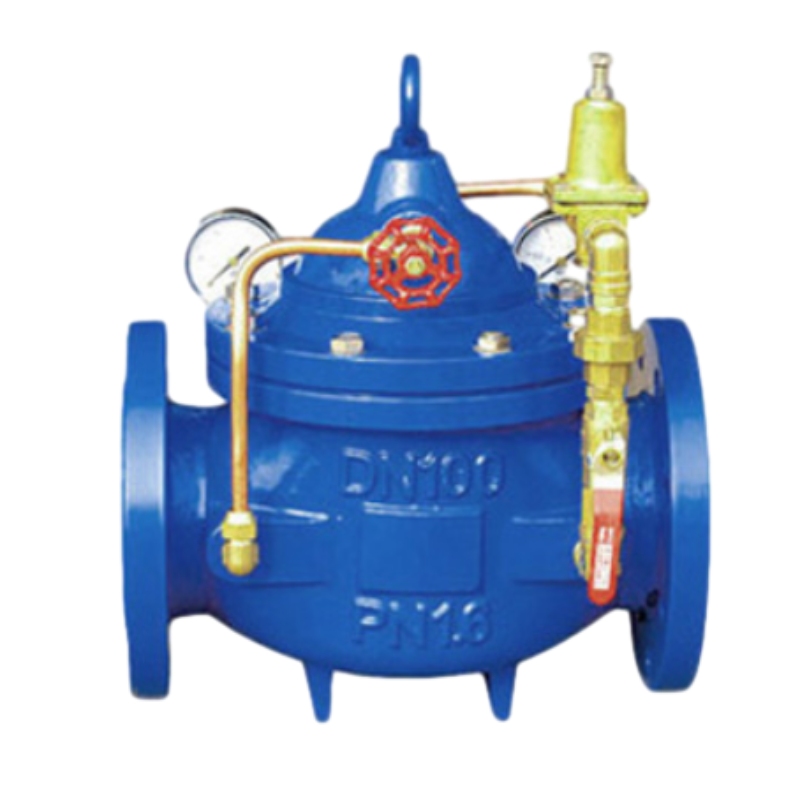
valve for sale
Understanding the Importance of Quality Valves for Sale Expert Insights For those heavily invested i

welding table supplier
Finding the Right Welding Table Supplier A Guide for Professionals Welding is an essential process i
Van cầu Trung Quốc
Van cầu glob tại Trung Quốc Một cái nhìn tổng quan Van cầu glob là một loại van điều khiển lưu lượng
 English